Built to Last Through Weather and Time
Exterior & Outdoor Durable Signage in Pawleys Island for signs exposed to salt air, UV, and storms year after year
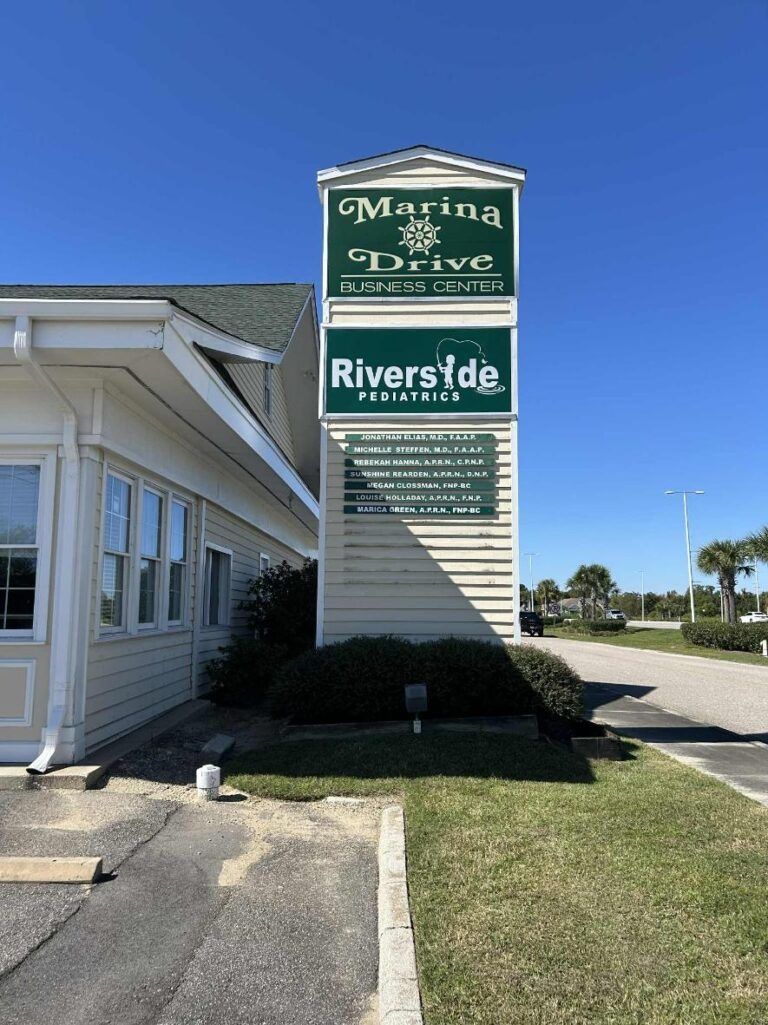
Island Sign Company fabricates exterior signage designed to withstand the coastal environment in Pawleys Island, where salt spray, high humidity, and intense sun exposure break down materials faster than inland climates allow. You need signs that hold their color, stay structurally sound, and remain readable without constant repainting or replacement. Durable outdoor signage is built from materials like cedar, high-density urethane, marine-grade aluminum, and composite panels that resist warping, cracking, and corrosion.
The construction process includes protective coatings applied in multiple layers—primer for adhesion, paint for color, and clear topcoats with UV inhibitors to slow fading. Cedar signs are sealed to prevent moisture absorption, and metal signs are powder-coated or treated with marine finishes to stop rust. High-density urethane, often called HDU, is routed into dimensional shapes and coated with exterior-grade paints that bond to the foam substrate without peeling.
If your property needs signage that won't need replacing every few years, reach out to discuss material choices suited to your location and exposure level.
How Materials Perform in Coastal Conditions
You choose materials based on where the sign will be mounted and how much maintenance you're willing to do. Cedar holds up well when maintained with sealant every few years, but untreated wood grays and splits over time. HDU doesn't absorb water, so it won't swell or rot, and it's lighter than wood while still allowing detailed carving and routing. Aluminum stands up to wind and impact better than foam or wood, and it doesn't need repainting as often when powder-coated finishes are used.
After installation by Island Sign Company, you'll see a sign that stays level, keeps its finish, and remains legible from the road. Colors stay vibrant for years under full sun when high-grade paints and UV topcoats are applied. Fasteners are stainless steel or coated to prevent rust stains, and mounting brackets are engineered to handle wind load without bending or pulling free from the structure.
Low-maintenance options include composite materials that don't need sealing and non-corrosive metals that hold up without touch-ups. Some signs are built with replaceable panels so you can update information without replacing the entire structure. Protective coatings extend lifespan, but even the best finishes eventually wear down and may need refinishing after a decade or more depending on exposure.
What to Know About Outdoor Sign Durability
Choosing the right material and finish makes the difference between a sign that lasts five years and one that lasts twenty.
What material resists fading the longest?
High-density urethane with automotive-grade paint and UV-resistant clear coat typically outlasts wood and uncoated metals in direct sun, often holding color for ten years or more.
How does salt air affect outdoor signs?
Salt accelerates corrosion on untreated metals and breaks down some paints faster, which is why marine-grade aluminum and stainless hardware are preferred for coastal installations like those in Pawleys Island.
Why do some signs warp or crack after a season?
Wood signs warp when moisture gets into unsealed edges, and rigid plastics crack when they expand and contract with temperature swings, especially if mounting points are too tight.
When should I refinish an outdoor sign?
Refinishing is needed when the topcoat begins to chalk, colors visibly fade, or bare substrate starts to show through, usually every five to ten years depending on material and exposure.
What's the difference between composite and solid wood?
Composite materials combine wood fibers with resin binders that resist moisture and don't split or rot, while solid wood offers a traditional look but requires more upkeep to prevent weathering.
Island Sign Company selects materials and finishes based on your site conditions and expected lifespan. If you need a sign that handles the weather without constant attention, the right combination of substrate and coating makes that possible.